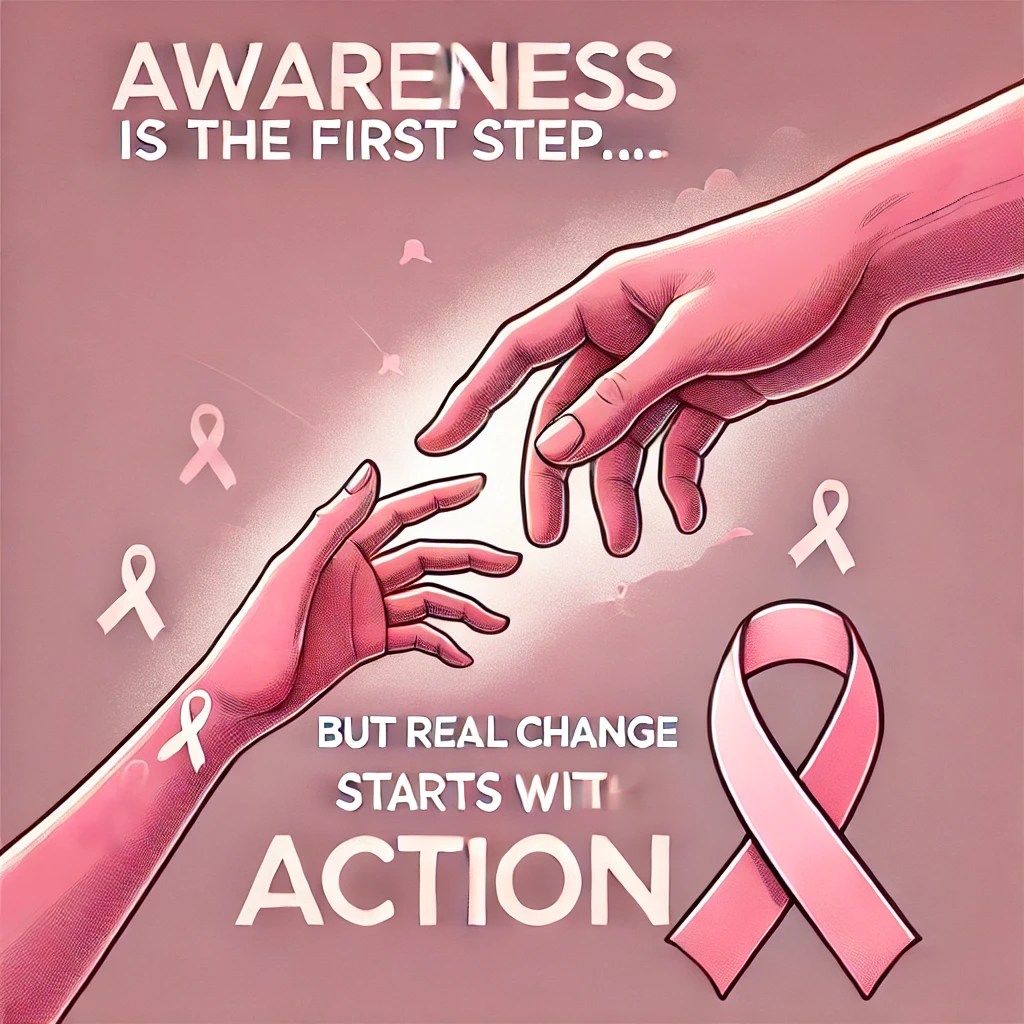
As I reflect on the breast cancer meme case study, I’ve started thinking deeply about what effective awareness looks like, especially on social media. During October’s Breast Cancer Awareness Month, I’ve noticed how many memes and vague status updates make their way around Facebook. For example, status posts like “Melissa, black” or “I like it on the floor” pop up without context, often confusing others and encouraging a guessing game (Albanesius, 2010). These posts go viral fast, but do they make a difference?
In a way, I understand the appeal. These memes are fun, simple, and easy to participate in. They offer people a way to feel involved without doing much more than post a status. The exclusivity of the message, where men are intentionally left in the dark, adds to the engagement. But the more I think about it, the more I question whether these messages are truly impactful.
They create a false sense of activism, sometimes called “slacktivism.” We feel we have contributed to a cause simply by posting or liking something. While that might somewhat spread awareness, it often isn’t tied to real-world action like donating, volunteering, or even sharing educational content. According to Trussell (2012), these memes succeed in getting attention but often fail to inform or inspire meaningful behavioral change.
It also bothers me how these campaigns often exclude specific audiences, particularly men. The CDC has stated that over 2,000 men were diagnosed with breast cancer in 2012, and over 400 died from it (Centers for Disease Control and Prevention [CDC], 2024). So, excluding men from awareness efforts doesn’t make sense. Plus, sexualizing the messages—like “I like it on the kitchen counter”—can be tone-deaf and distract from the seriousness of the disease (Stein, 2010).
I believe these campaigns could be so much more impactful if they focused on real action. What if instead of posting cryptic messages, people shared resources about self-checks, how to donate, or where to volunteer? What if the campaign challenged people to sign up for a walk, share survivor stories, or donate a small amount? Mahoney and Tang (2017) stress that successful digital campaigns should include clear calls to action that help shift online participation into real-life behavior.
I’ve learned that awareness is only the first step in cyberactivism. If we really want to support a cause like breast cancer awareness, we need to think beyond going viral. I’m more inspired by efforts that invite us to actually do something—whether that’s scheduling a check-up, donating to research, or spending time supporting patients and families.
References
Albanesius, C. (2010). Breast cancer meme: A social media marketing case study. PCMag. https://ashleyfranklinwrites.com/2024/08/breast-cancer-meme-a-social-media-marketing-case-study/
Centers for Disease Control and Prevention. (2024). Breast cancer awareness | Cancer | CDC. https://www.cdc.gov/cancer/features/breast-cancer.html
Mahoney, L. M., & Tang, T. (2017). Strategic social media: From marketing to social change. Wiley-Blackwell.
Stein, R. (2010). Does social media raise real awareness for breast cancer? NPR. https://www.npr.org/sections/health-shots/2010/01/07/121765759/breast-cancer-awareness-and-social-media
Trussell, M. (2012). Breast cancer awareness memes: A tool for mobilization? Engaged Social. https://engaged-social.com/2023/10/15/viral-breast-cancer-awareness-memes-a-tool-for-mobilization/
 Lwms69 Blog