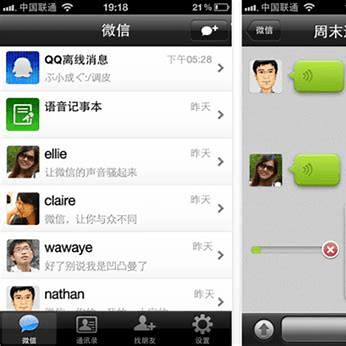
An early version of Weixin’s chat interface featuring voice messaging, allowing users to send audio notes by holding a button—ideal for quick communication in Chinese without typing.
Image Credit: Screenshot via Wikimedia Commons
In today’s fast-changing world of social media, really understanding how people use these platforms and why is everything. That’s what makes Tencent’s Weixin (or WeChat, as it’s known internationally) such a fascinating case. Since launching in 2011, Weixin has gone from a basic messaging tool to something most users in China (and beyond) rely on daily. It’s more than just popular, it’s become essential. And for anyone in social media marketing, there’s a lot to learn from how it got there.
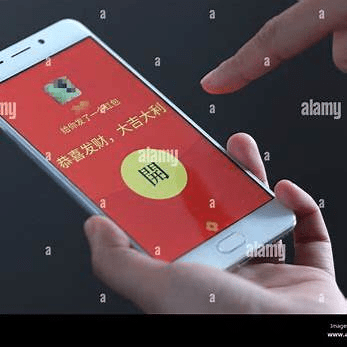
A user opens a digital red envelope (hongbao) during Lunar New Year using the Weixin app—blending tradition with mobile convenience.
Image Credit: Alamy / Image ID: FF9G2X
Blending Tradition and Tech: The Red Envelope Campaign
One of the most brilliant things Weixin did was introduce a digital version of the traditional Chinese red envelope, or hongbao, in 2014. This feature let users send monetary gifts to friends and family during Lunar New Year, a huge cultural moment in China. Weixin took something familiar and meaningful and made it digital, which was both smart and incredibly effective.
The results? Massive. Over 40 million red envelopes were exchanged by 8 million users right after launch. And by the next New Year’s Eve, that number exploded to 1 billion red envelopes sent in a single night. Even more impressive: Weixin Pay’s user base more than tripled, going from 30 million to 100 million users in just a month. That kind of growth doesn’t happen by accident.
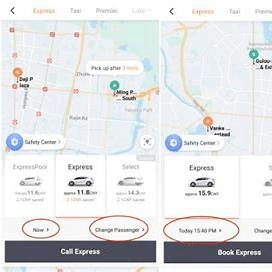
The Didi Taxi integration in Weixin enables users to order rides directly from the app—no separate platform needed.
Image Credit: Didi Global Official Site
Everyday Ease: Didi Taxi Makes Life Simpler
In 2014, Weixin enhanced its services by integrating with Didi Taxi, which is similar to Uber in China. This feature let users hail a cab right through the app, and it was a hit. In just one month, people had booked over 21 million rides, and daily bookings were hitting 700,000.
It wasn’t just about convenience, either. This move also got users more comfortable with making payments inside the app, which helped pave the way for even more in-app services down the line. Weixin wasn’t just making life easier, it was training users to stick around and do more, all within the same platform.
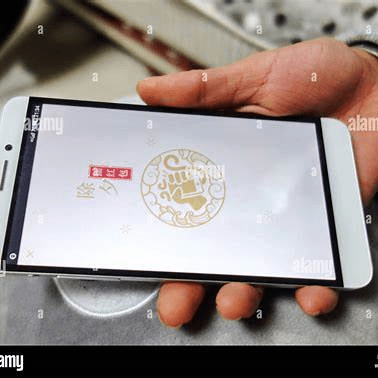
The moment of surprise: a user taps to “open” a red envelope, revealing the randomized gift amount.
Image Credit: Alamy / Image ID: FXY2RB
No Friction, All Function: A Seamless User Experience
What really sets Weixin apart is how smooth and integrated everything feels. From voice messages to news browsing and even shopping, you can do just about anything without ever leaving the app. There’s no need to switch between tabs or wait for slow mobile browsers, as the app offers simple, clean functionality that makes sense.
This kind of seamless experience doesn’t just keep people happy; it keeps them coming back. And for marketers, that’s a dream. More time in the app means more opportunities to connect with audiences without distractions or drop-offs.
Strategic Takeaways for Social Media Marketers
Weixin’s development provides a roadmap for building a robust social media strategy:
- Cultural Relevance: Integrate features that reflect the cultural traditions and values of your target audience.
- Multifunctionality: Provide a wide array of services to reduce the need for users to switch between platforms.
- Frictionless Design: Design intuitive, in-app experiences to boost engagement and ease of use.
- Behavioral Alignment: Make your app indispensable by aligning it with users’ daily habits and needs.
Conclusion
Weixin’s journey from messaging app to social and economic infrastructure offers a masterclass in user-centered social media design. Its success underscores the importance of cultural connection, utility-driven features, and a frictionless experience. For marketers aiming to replicate its success, the key lies in deeply understanding their audience and evolving with them.
Featured Image
Source: Just Katie Ale Blog
References
- Barboza, D. (2014). Tencent’s WeChat App Challenges China’s Censors. New York Times
- Horwitz, J. (2014). WeChat’s Red Envelopes: The Most Addictive Thing This Chinese New Year. Quartz
- Chen, L. (2014). WeChat’s Didi Taxi Bookings Reach 700,000 Daily. TechNode
- Millward, S. (2014). WeChat Users Book 21 Million Rides in First Month of Didi Taxi Integration. Tech in Asia
- Yin, D. (2015). Tencent’s WeChat Sends 1 Billion Virtual Red Envelopes on New Year’s Eve. Forbes
- Spiegel Research Center. (2021). How WeChat Redefined Rituals in a Digital, Multiplatform Age. Spiegel.Medill.Northwestern.edu
 Lwms69 Blog