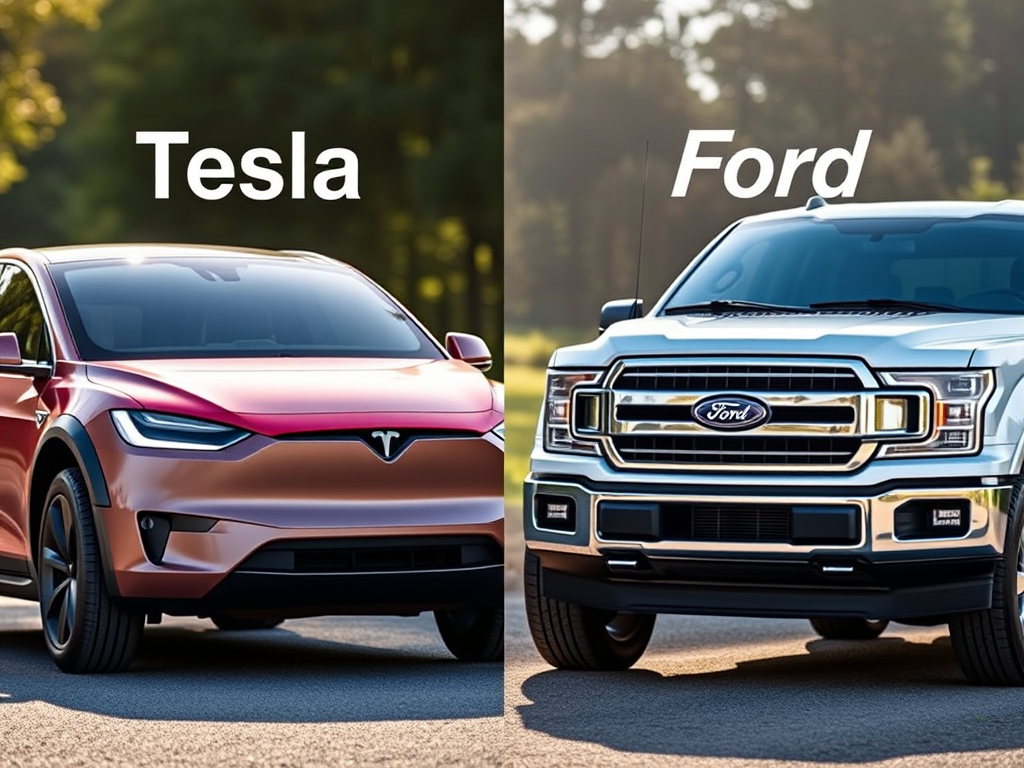
Differentiation: Comparing Tesla and Ford’s Social Media Strategies
In today’s digital world, social media is one of the most important tools for companies to promote their brands, engage with audiences, and achieve strategic goals. In this post, I’m comparing Tesla and Ford, two well-known automotive companies, to explore how they each use social media differently to support their brands and business strategies.
Tesla: Innovation Through Direct Engagement
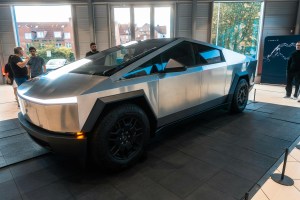
Tesla takes a unique approach to social media, largely driven by its CEO, Elon Musk, who actively engages with millions of followers on X (formerly Twitter). His direct interactions — responding to customer suggestions, providing product updates, and even sharing memes — create a sense of openness and accessibility that helps build strong customer loyalty.
Unlike most automakers, Tesla invests very little in traditional advertising. According to Hootsuite, Tesla relies almost entirely on viral social media content, influencer engagement, and organic user-generated content to drive brand awareness and customer excitement.
Tesla’s use of visually engaging content is a core part of this strategy. On platforms like YouTube and Instagram, Tesla shares stunning visuals of its Full Self-Driving Beta technology, product launches like the Cybertruck, and live-streamed factory events. This type of content reinforces Tesla’s identity as an industry disruptor and innovator. The Influencer Marketing Hub notes that Tesla’s social media approach not only drives massive organic reach but also strengthens a deeply loyal fan base that actively promotes the brand.
Video:
Ford: Tradition Balanced with Community Engagement

In contrast to Tesla, Ford takes a more traditional but equally effective approach to social media. Ford emphasizes its heritage and dependability, while still evolving its digital presence to engage new generations of customers. Platforms like Facebook, Instagram, YouTube, and LinkedIn serve as important touchpoints to share customer stories, product innovations, and company values.
One of Ford’s standout campaigns is #BuiltFordProud, which celebrates real-world customers who depend on Ford vehicles for work, family, and adventure. According to Social Media Examiner, Ford excels at blending influencer partnerships with authentic customer-generated content, which helps reinforce trust while appealing to younger, digitally engaged audiences.
In addition, Ford’s use of LinkedIn allows them to highlight corporate initiatives in electric vehicles, such as the Mustang Mach-E and F-150 Lightning. This shift aligns with Ford’s long-term strategy to position itself as both a reliable heritage brand and a serious competitor in the growing EV market. According to Visual Capitalist, Ford’s EV strategy is directly targeting Tesla’s market dominance while leveraging its existing global production infrastructure.
Video:
Ford YouTube: F-150 Lightning Ad
Comparing the Two
| Tesla | Ford |
|---|---|
| CEO-driven direct engagement | Corporate storytelling & influencer partnerships |
| Viral, meme-based, unfiltered content | Customer-focused stories and professional content |
| Minimal paid advertising | Balanced use of advertising and community-building |
| Focus on rapid innovation | Blending tradition with modern technology |
In summary, Tesla’s viral, fast-moving social media strategy reflects its disruptive culture and ambitious growth trajectory. Ford, on the other hand, blends long-standing brand heritage with modern digital storytelling, allowing it to evolve strategically without alienating its loyal customer base.
Conclusion
Both Tesla and Ford demonstrate that successful social media strategies are tailored to reflect a company’s unique identity and business objectives. Tesla’s bold, interactive, and viral approach excites tech-savvy customers and disruptors, while Ford’s balanced use of tradition and innovation builds loyalty and trust as it adapts for the future of electric vehicles.
Share This Post
Tags: Tesla, Ford, Social Media Strategy, Digital Marketing, Brand Differentiation
 Lwms69 Blog